
APEX Lemon Law

Electric vehicles

Electric Vehicle Lemon Law

California's Lemon Law protects electric vehicle owners the same way it protects drivers of gasoline vehicles. Battery, charging, and software defects can qualify when they substantially impair the vehicle and keep coming back.

Free case evaluation

Find out if your vehicle may qualify

About a minute, no obligation. All fields are required.
Demo form: nothing is sent or stored yet. Please don't include Social Security or account numbers.

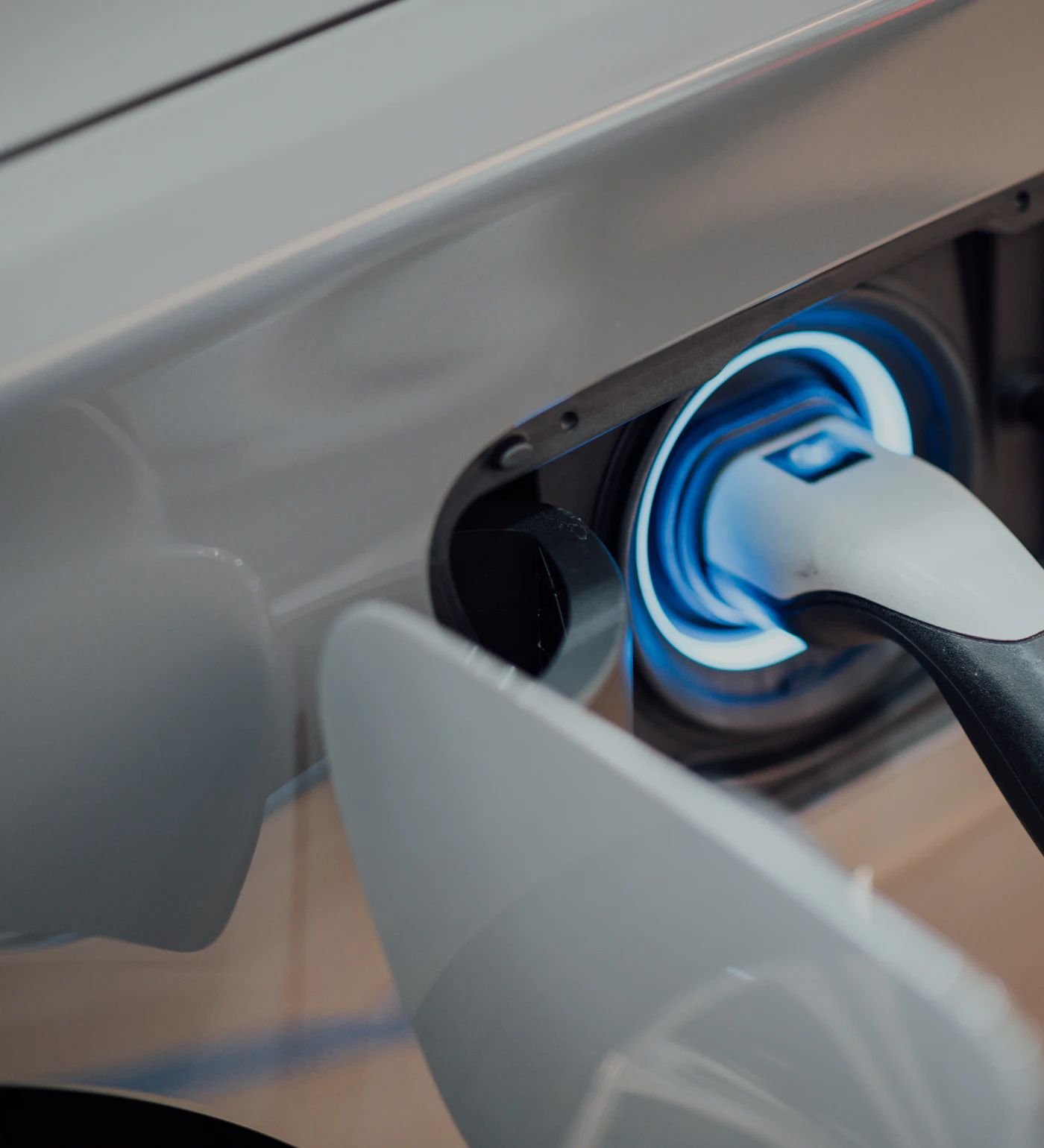
Charging connector plugged into the glowing charge port of an electric car

Short answer

Can an electric vehicle be a lemon?

Short answer: Yes. California's Lemon Law applies to electric vehicles on the same terms as other vehicles. A covered defect, such as a battery, charging, or drive-unit fault, that substantially impairs the vehicle and isn't fixed after a reasonable number of attempts may qualify for repurchase or replacement.

We don't suggest that any make or model is defective. Each claim depends on the specific vehicle, its warranties, and its repair history.

Leased EVs qualify on the same terms; see the leased vehicle guide.

General legal information, not legal advice. Last updated November 1, 2026. Reviewed by [Attorney Name], [Month Year].
EV defects

Electric vehicle defects that may matter

The systems most often involved in EV warranty disputes. A defect qualifies only if it meets the law's requirements.

  • High-voltage battery

    Sudden range loss, cells or modules failing, or battery warnings.

  • Charging system

    Onboard charger or charge-port faults, charging that stops or won't start.

  • Drive unit and propulsion

    Loss of propulsion, reduced-power modes, or drive-unit noise.

  • Thermal management

    Battery heating or cooling faults that limit charging or performance.

  • Software

    Recurring system errors, frozen displays, or faults that return after updates.

  • 12-volt and electrical

    Low-voltage battery drain or electrical faults that disable the vehicle.

See all common defects

Battery and charging

Battery and charging problems

How to tell a possible defect from normal battery aging.

  • High-voltage battery

    The traction battery is usually the most expensive part of an EV. Warning lights, a vehicle that limits power to protect the pack, modules or cells replaced more than once, or a battery that won't hold a charge overnight are the kinds of symptoms that belong on a repair order every time.

  • Onboard charger and charge port

    The onboard charger converts household or public AC power into DC for the battery. Symptoms of a fault include charging that starts and stops, charging far slower than the car's rated speed on a working charger, a charge port that won't lock or release the connector, or repeated "unable to charge" messages. These parts are part of the vehicle and are generally covered by the vehicle's warranties.

Range loss versus normal battery aging

Every lithium-ion battery loses some capacity over time and use, and range also changes with conditions. That gradual, expected change is not, by itself, a defect. The questions that matter are how fast, how much, and what the warranty promises.

Normal aging

Usually normal: range that drops in cold weather, at highway speeds, with heavy climate-control use, or with a loaded vehicle, and returns when conditions change; a slow, gradual decline over years.

Possible defect

Worth documenting as a possible defect: a sudden drop in range at a full charge in similar conditions; range estimates that jump erratically; capacity that falls below the battery warranty's stated threshold within its time or mileage limit; battery warnings, power limits, or charging limits that come back after repair.

Ask the dealer to run the manufacturer's battery health or capacity test and to write the result on the repair order. A test result is far stronger evidence than a technician's comment that the range is "within specification."

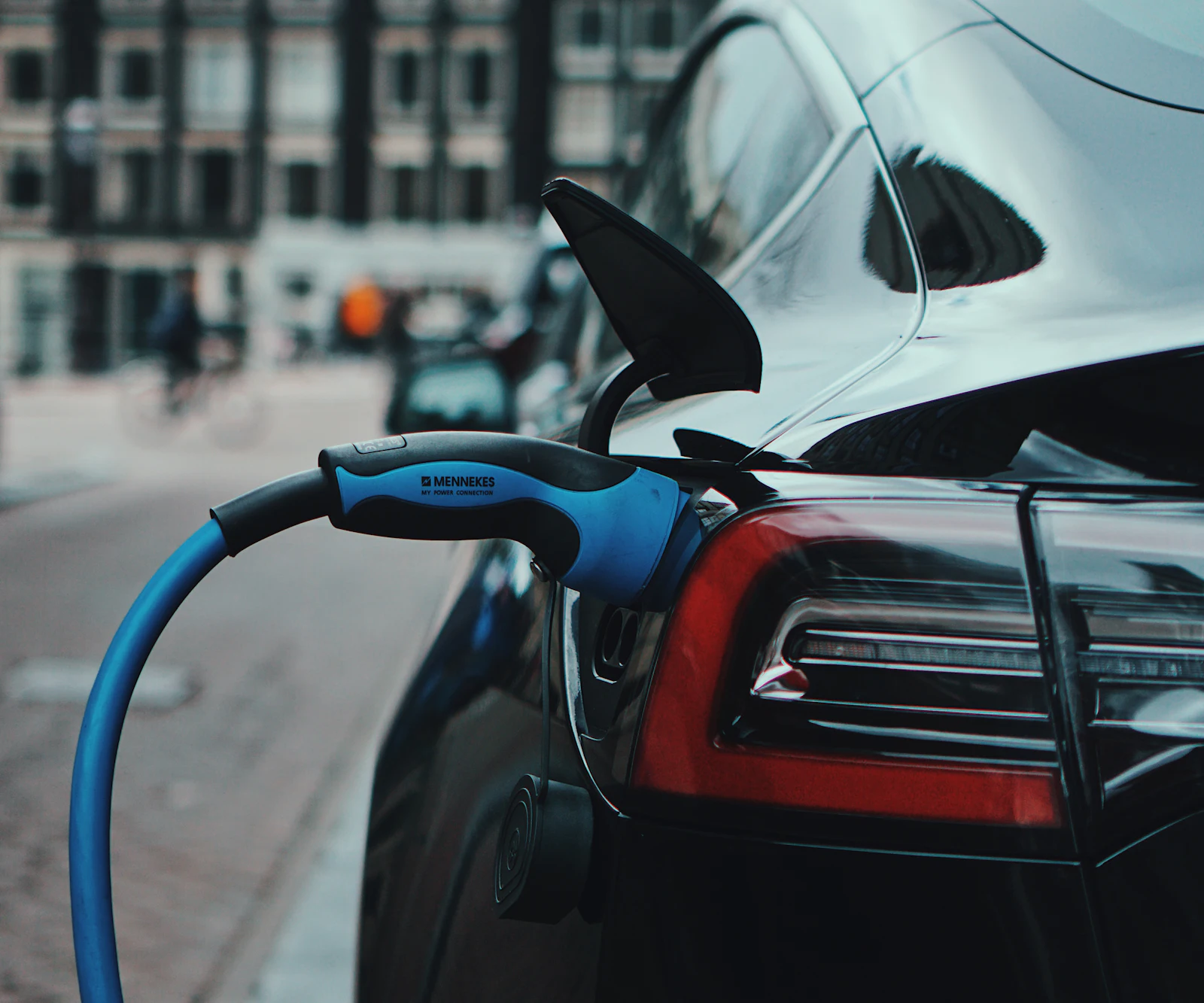
Blue charging cable plugged into a black electric car parked on a city street

Electrical systems

Electrical system defects

High-voltage and 12-volt faults can both leave an EV stranded.

EVs rely on two electrical systems: the high-voltage system that powers the motor and a conventional 12-volt system that runs the computers, locks, lights, and the contactors that connect the main battery. Faults in either can leave the car undrivable.

  • 12-volt battery and DC-DC converter: a 12-volt battery that keeps going flat, or a converter that doesn't recharge it, can prevent the car from powering on even when the main battery is full.
  • High-voltage isolation and contactor faults: warnings that the vehicle can't enter drive or ready mode, or that the system needs service.
  • Wiring, sensors, and modules: intermittent faults, such as random warnings, failed cameras or sensors, or modules that reset, that disappear before the dealer can see them.

Intermittent electrical faults are where "could not duplicate" repair orders are common. Those visits generally still count when you presented the car for the problem, so make sure your complaint is written on the order. Photos or videos of the warnings, with the date and odometer visible, help show the problem is real.

Software and updates

Software problems and over-the-air updates

Updates are part of owning an EV, and part of many repair histories.

EVs receive frequent software updates, some installed at the dealer and some over the air.

  • An update performed to address a defect you reported can be part of your repair history, especially when a repair order records it.
  • Whether an over-the-air update counts as a repair attempt is not settled. Attorney review required
  • Keep screenshots of update release notes, and tell the dealer in writing when an update didn't fix the problem.

Software faults that can matter

Screens that freeze or reboot while driving, loss of the backup camera or turn-signal display, charging schedules or limits that reset themselves, and driver-assistance or power-limiting features that activate without cause are examples of software behavior that can affect use, value, or safety.

Record the software version

Note the software version before and after each update or dealer visit, usually found in the vehicle's settings menu, and ask the dealer to list any reflash or update on the repair order. A pattern of "updated software, problem persists" is part of the repair story.

EV warranty coverage

How EV warranties work

Battery and drive warranties are usually separate from the basic warranty.

Electric vehicles typically come with several manufacturer warranties, each with its own limits:

  • Basic warranty

    A basic warranty covering most components.

  • Battery and electric drive

    A separate high-voltage battery and electric drive warranty, often longer than the basic warranty. It may cover the battery pack, drive motor, power electronics, and onboard charger, depending on the manufacturer's terms.

  • Emissions-related

    Emissions-related warranties that may cover certain components.

Read the battery terms closely

Many battery warranties cover capacity loss only when it falls below a stated percentage within the warranty period. Note the exact threshold and how the manufacturer measures it.

Emissions warranties and EV components

Federal and California emissions-warranty rules can require manufacturers to cover certain components for set periods. How those rules apply to a particular battery-electric or plug-in hybrid vehicle, and how they fit with the separate battery warranty, depends on the vehicle and the regulations in effect for its model year. Attorney review: emissions-warranty coverage for EV components

Recurring repairs

When EV repairs keep coming back

The law looks at the pattern of repairs, not a single visit.

A single battery or software fault fixed on the first try usually isn't a Lemon Law case. The law looks at the pattern: the same problem returning after repairs, or the vehicle spending long stretches at the dealer.

Patterns worth noticing

  • The same warning or charging fault returning after a repair, update, or part replacement.
  • Several parts replaced for one symptom, such as a charger, then a charge port, then a battery module.
  • Long waits for EV parts, which add to days out of service.
  • Several different defects that together keep the vehicle out of service.

How the presumption applies

Within 18 months or 18,000 miles from delivery, the law presumes a reasonable number of attempts after two or more repairs for a defect likely to cause death or serious bodily injury, four or more for the same defect, or more than 30 cumulative days out of service for repairs. For the two repair-count paths, if the manufacturer clearly disclosed a requirement to notify it directly, you must also have done so. Claims can succeed outside these benchmarks too. See the eligibility guide.

Source: Civ. Code § 1793.22(b) — Civil Code section 1793.22 (opens in new tab)

Manufacturer obligations

Civ. Code §§ 1793.2 and 1795.6

What the manufacturer must do

Duties under the Song-Beverly Act that often come up in EV claims.

  1. Obligation 1 30-day repair rule

    What the law requiresWhen repair facilities are maintained in California, repairs must begin within a reasonable time and be completed within 30 days, unless you agree in writing to more time. Delays beyond the manufacturer's control extend it. Civ. Code § 1793.2(b).

    Why it matters for an EVEV parts and specialist technicians can be scarce. Long waits are documented on the repair order and count toward days out of service.

  2. Obligation 2 Transport when the car can't be driven

    What the law requiresIf the vehicle can't reasonably be delivered because of the defect, you can give written notice, and the manufacturer must repair it on site, pick it up, or arrange transport at its expense. Civ. Code § 1793.2(c).

    Why it matters for an EVAn EV that won't power on or won't shift out of park often has to be towed on a flatbed.

  3. Obligation 3 Repair or buy back

    What the law requiresIf the vehicle can't be conformed to the warranty after a reasonable number of attempts, the manufacturer must promptly replace it or make restitution, at the buyer's election. Civ. Code § 1793.2(d)(2).

    Why it matters for an EVBattery and drive-unit faults that keep returning can reach this point.

  4. Obligation 4 Work orders and tolling

    What the law requiresThe warranty period is extended by time spent in warranty repair, and the facility must give you a work order showing the return date. Civ. Code § 1795.6.

    Why it matters for an EVLong battery repairs push the warranty end date back.

  5. Obligation 5 Incidental costs

    What the law requiresRestitution and replacement include reasonable repair, towing, and rental costs actually incurred.

    Why it matters for an EVKeep receipts for tows, rentals, and rideshares.

Sources: Civ. Code § 1793.2 — Civil Code section 1793.2 (opens in new tab) Civ. Code § 1795.6 — Civil Code section 1795.6 (opens in new tab)

Safety-related faults

When an EV fault is a safety issue

Some EV defects can make the vehicle unsafe, and the law treats those more seriously.

Loss of propulsion, unexpected reduced-power modes, and charging or battery faults that create a fire risk can be safety defects. For a defect likely to cause death or serious bodily injury, two repair attempts within 18 months or 18,000 miles may create the presumption.

Source: NHTSA recall lookup (opens in new tab)

  • If the vehicle is unsafe to drive, stop driving it and tell the dealer and the manufacturer in writing.
  • Check for open recalls by VIN, and keep any recall notices.
  • Follow any manufacturer instructions about where to park or how to charge while a battery-related recall or repair is pending.

What to document

Records that matter in an EV claim

Charging logs, screenshots, app data, and software versions.

The usual purchase or lease contract and repair orders still come first. EV claims add records that only the car and its app can provide, so capture them as problems happen.

  • Repair orders with software versions

    What to captureYour complaint in your words, mileage, dates in and out, parts replaced, and any software version or reflash.

    Why it helpsThe core repair history, and proof that updates didn't fix the problem.

  • Charging logs

    What to captureDate, location, charger type, starting and ending charge, and any failure or error.

    Why it helpsShows a charging fault is the car, not one station.

  • Screenshots of warnings

    What to captureDashboard and screen messages, with the date and odometer visible.

    Why it helpsCaptures intermittent faults the dealer can't reproduce.

  • App data and update notes

    What to captureVehicle app charging history, range readings, and update release notes.

    Why it helpsBuilds a timeline of range, charging, and software changes.

  • Battery health results

    What to captureAny capacity or state-of-health test result the dealer ran.

    Why it helpsCompares the battery against the warranty threshold.

  • Towing and rental receipts

    What to captureEvery tow, rental, and alternate transportation cost.

    Why it helpsSupports incidental damages.

  • All warranty booklets

    What to captureBasic, battery and electric drive, and emissions warranty terms.

    Why it helpsShows which warranty covered each repair.

  • Vehicle apps may keep only limited history. Export or screenshot what you need regularly rather than waiting.

FAQ

Electric vehicle questions

Common questions about EV defects and warranties.

Ask about your situation

See all Lemon Law questions

Does California Lemon Law cover electric vehicles?

Yes. Electric and plug-in hybrid vehicles are covered the same way as gasoline vehicles when the other requirements are met: a warranty defect that substantially impairs use, value, or safety and isn't fixed after a reasonable number of attempts.

Is battery range loss a defect?

Some gradual capacity loss is normal. Many battery warranties cover capacity loss only below a stated threshold within a set time and mileage. Sudden or significant loss, or loss below the warranty threshold, may be a covered defect.

Do over-the-air software updates count as repair attempts?

It is not settled. An update installed to address a defect you reported can be part of the repair history, especially when it is documented. Keep screenshots of update notes and tell the dealer when an update didn't fix the problem.

Is a problem with my home charger covered?

A charger sold or installed by a third party is usually covered by that company's warranty, not the vehicle manufacturer's. Problems with the vehicle's own charging system, such as the onboard charger or charge port, are typically vehicle warranty issues.

My EV won't move. Who pays to tow it to the dealer?

If the vehicle can't reasonably be delivered because of the defect, you can notify the manufacturer in writing, and it must repair the car where it is, pick it up, or arrange transport at its own expense. Reasonable towing costs you actually paid may also be recoverable as incidental damages.

The dealer says my range loss is normal. What should I do?

Ask for the result of any battery health or capacity test in writing, on the repair order. Compare it with the battery warranty's capacity threshold, and keep your own records of range at a full charge in similar conditions.

Is trouble at public charging stations a vehicle defect?

Sometimes. A station that is broken affects every car that uses it. If your vehicle fails to charge at several stations that work for other cars, or shows charging-system errors, that points toward the vehicle and belongs on a repair order.

My EV has been waiting weeks for a battery part. Do those days count?

Generally, yes. Days the vehicle spends at the dealer for warranty repair of a defect generally count toward time out of service, and the law requires repairs to be completed within 30 days unless you agree in writing to more time or delays are beyond the manufacturer's control.

Free case evaluation

Still taking your car back to the dealer?

Tell us what's been happening. We'll review the details and explain whether California Lemon Law may apply. You don't need to visit an office to get started.

  • Have your repair orders nearbyApproximate dates and mileage are fine to start.
  • Describe the problem in your own wordsWhat happens, how often, and what the dealer said.

Serving drivers throughout California

Map for geographic reference only. Service availability is confirmed during your evaluation.

Free case evaluation

Request a free case evaluation

All fields are required. We'll follow up to learn more.

Demo form: nothing is sent or stored yet. Please don't include Social Security or account numbers.